HOME
XML Basic
XML HOME
XML Introduction
XML How to use
XML Syntax
XML Elements
XML Attributes
XML Validation
XML Browsers
XML Viewing
XML CSS Display
XML XSL Display
XML Data Islands
XML Parser
XML in Real Life
XML Advanced
XML Namespaces
XML CDATA
XML Encoding
XML Server
XML Applications
XML HTTP
XML Behaviors
XML Technologies
Examples/Quiz
XML Examples
XML Quiz
Resources
XML Books
XML WebRing
Previous 5 Sites
Previous Site
Next Site
Next 5 Sites
Random Site
List Sites

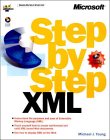
Please visit our sponsors ! XML Step by Step
The description below is the publishers own description.
DescriptionXML (Extensible Markup Language) is currently the most promising language for storing and delivering highly structured information on the Web. XML’s structured syntax lets you describe virtually any type of information—from a simple recipe to a complex business database—and sort, filter, find, and manipulate that information in flexible ways. XML STEP BY STEP clearly explains the basics of XML and shows both nonprogrammers and Web developers how to create effective XML documents and display them on the Web. The book takes a hands-on learning approach and focuses on the most practical techniques that you can use now, even if you don’t have extensive technical knowledge. A CD-ROM that comes with the book includes XML examples for all hands-on exercises, plus extensive links to further information and resources. What you will Learn
Table of ContentsIntroduction
Jump to: Top of Page
or HOME or
Search W3Schools:What Others Say About UsDoes the world know about us? Check out these places: Dogpile Alta Vista MSN Google Excite Lycos Yahoo Ask Jeeves We Help You For Free. You Can Help Us!
W3Schools is for training only. We do not warrant its correctness or its fitness for use. The risk of using it remains entirely with the user. While using this site, you agree to have read and accepted our terms of use and privacy policy. Copyright 1999-2002 by Refsnes Data. All Rights Reserved
|
 Printer friendly page


Active Server Pages Resource Web Site |
|
Your own Web Site? Read W3Schools Hosting Tutorial |
|
ASP Hosting ASP.net Hosting Web Hosting |
|
$15 Domain Name Registration Save $20 / year! |
|
Advertise at W3Schools Only 0.5 CPM |
|
SELECTED LINKS Books Online Web Software The Future of Web Development Jobs and Careers Web Security Web Statistics Web Standards |
|
PARTNERS W3Schools TopXML VisualBuilder XMLPitstop DevelopersDex DevGuru Programmers Heaven The Code Project Tek Tips Forum ZVON.ORG TopXML Search |