Teti, the originator of the sixth
dynasty, build his pyramid on a spot in North Saqqara, north-east of Userkaf’s
pyramid. Originally 172 ft (52.5 m) high, it slumped to little more than a rubble mound
when the outer casing was robbed in antiquity.
Inside, the layout mimics that used by Unas. When it was
discovered, it was found that the basalt sarcophagus was inscribed with a band of Pyramid
Texts, the first time such a thing had been seen. The walls had been likewise decorated,
but these reliefs were not in as good condition as they had been in Unas’s pyramid.
Pepi
I moved his pyramid site to South Saqqara – it is probable that all the land in North
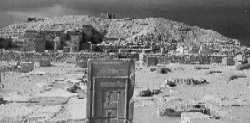
and Central Saqqara was now occupied. Originally the same height as Teti’s (172 ft /
52.5 m), it is now a rubble mound about 39 ft (12 m) high, the result of the core
collapsing following the robbing of the outer casing. In the centre of this mound is a
large crater, dug by stone robbers looking for building materials.
Inside the pyramid, it is similar to Teti’s, the principal
difference being that the Pyramid Texts had expanded to cover most of the walls, not just
the end of the corridor, antechamber and burial chamber. Interestingly, the canopic chest
survived, and a packet of viscera, presumably belonging to Pepi I, was found nearby. The
sarcophagus was covered inside and out with Pyramid Texts.
To the south of the pyramid, an inscription made by Khaemwaset,
the same man who had restored Unas’s pyramid, was found in 1993.
Pepi II’s pyramid was built in Saqqara, close to the
mastaba of Shepseskaf. It is the standard size (172 ft / 52.5 m), but is now nothing but a
low mound, once again the result of the core collapsing after the casing was taken.
Inside, the layout was similar to
that encountered in the pyramids of Pepi II’s predecessors.


 Pepi
I moved his pyramid site to South Saqqara – it is probable that all the land in North
and Central Saqqara was now occupied. Originally the same height as Teti’s (172 ft /
52.5 m), it is now a rubble mound about 39 ft (12 m) high, the result of the core
collapsing following the robbing of the outer casing. In the centre of this mound is a
large crater, dug by stone robbers looking for building materials.
Pepi
I moved his pyramid site to South Saqqara – it is probable that all the land in North
and Central Saqqara was now occupied. Originally the same height as Teti’s (172 ft /
52.5 m), it is now a rubble mound about 39 ft (12 m) high, the result of the core
collapsing following the robbing of the outer casing. In the centre of this mound is a
large crater, dug by stone robbers looking for building materials.